
Last updated August 25, 2026
Free visual inspection and a written scope of work before any mitigation begins - photos, moisture readings, and drying logs go in your claim file
The scope we write is the scope we bill. Anything new gets shown to you, in writing, before we touch it.
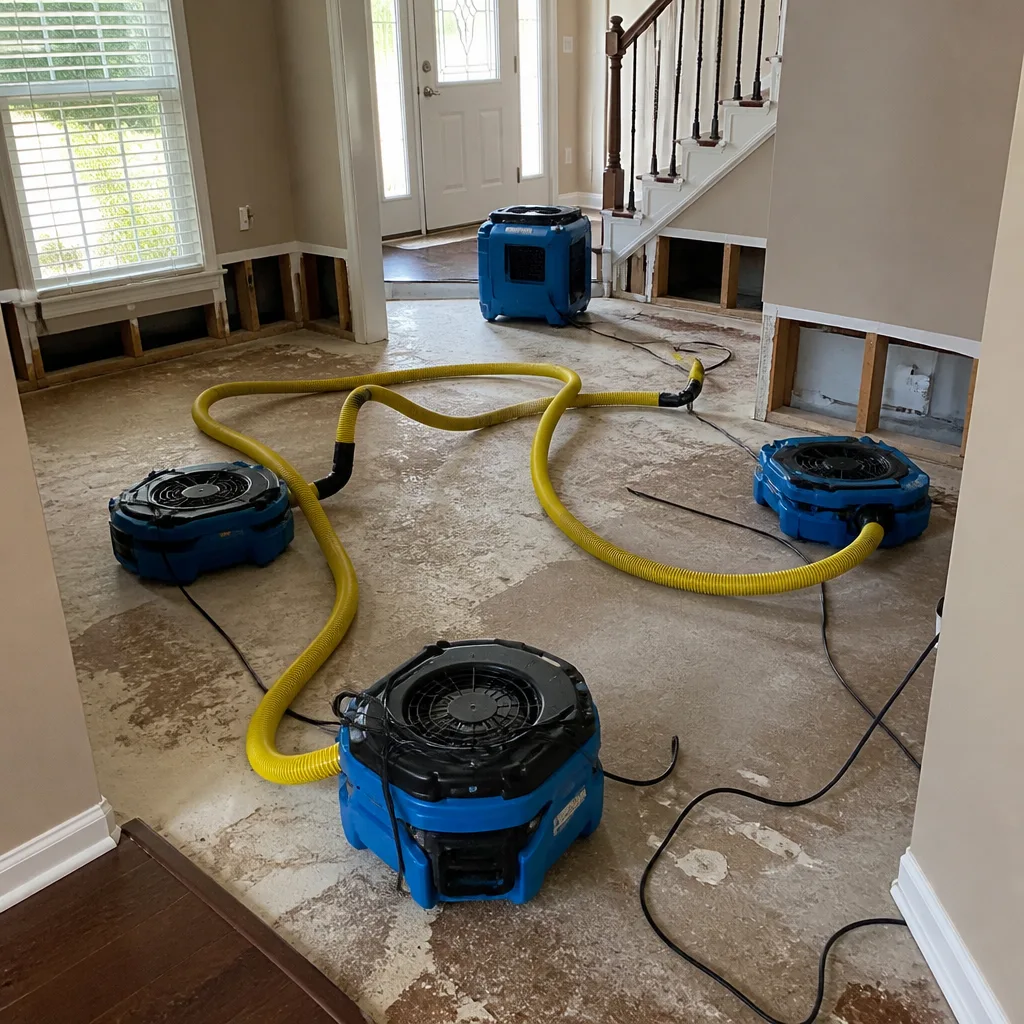

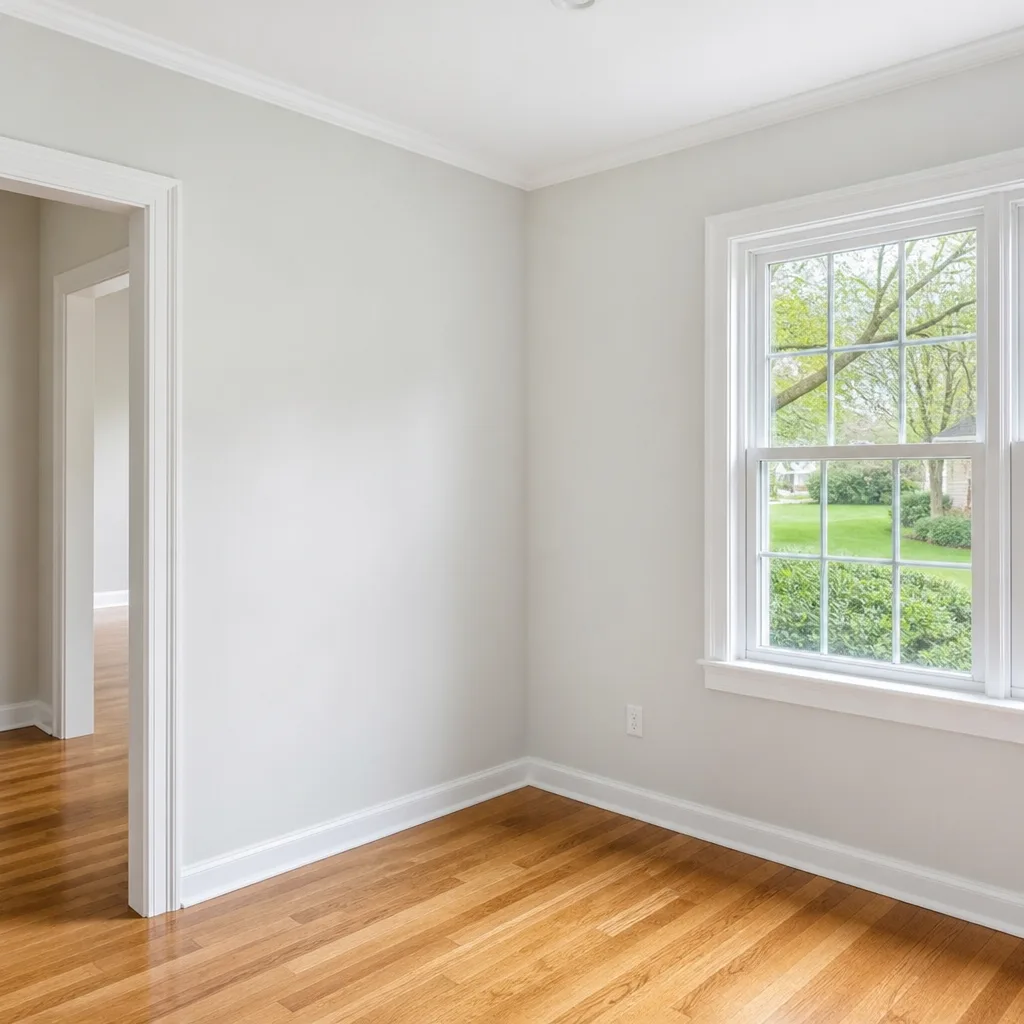
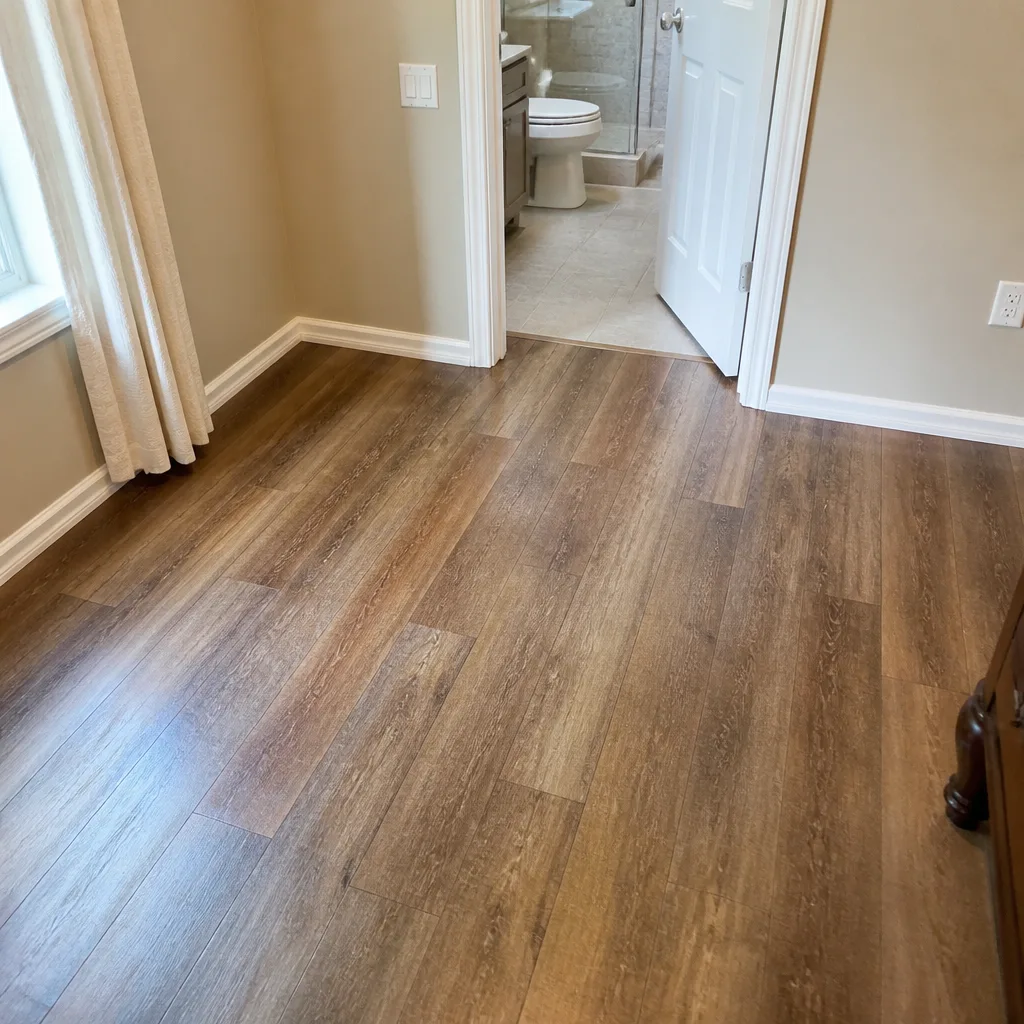
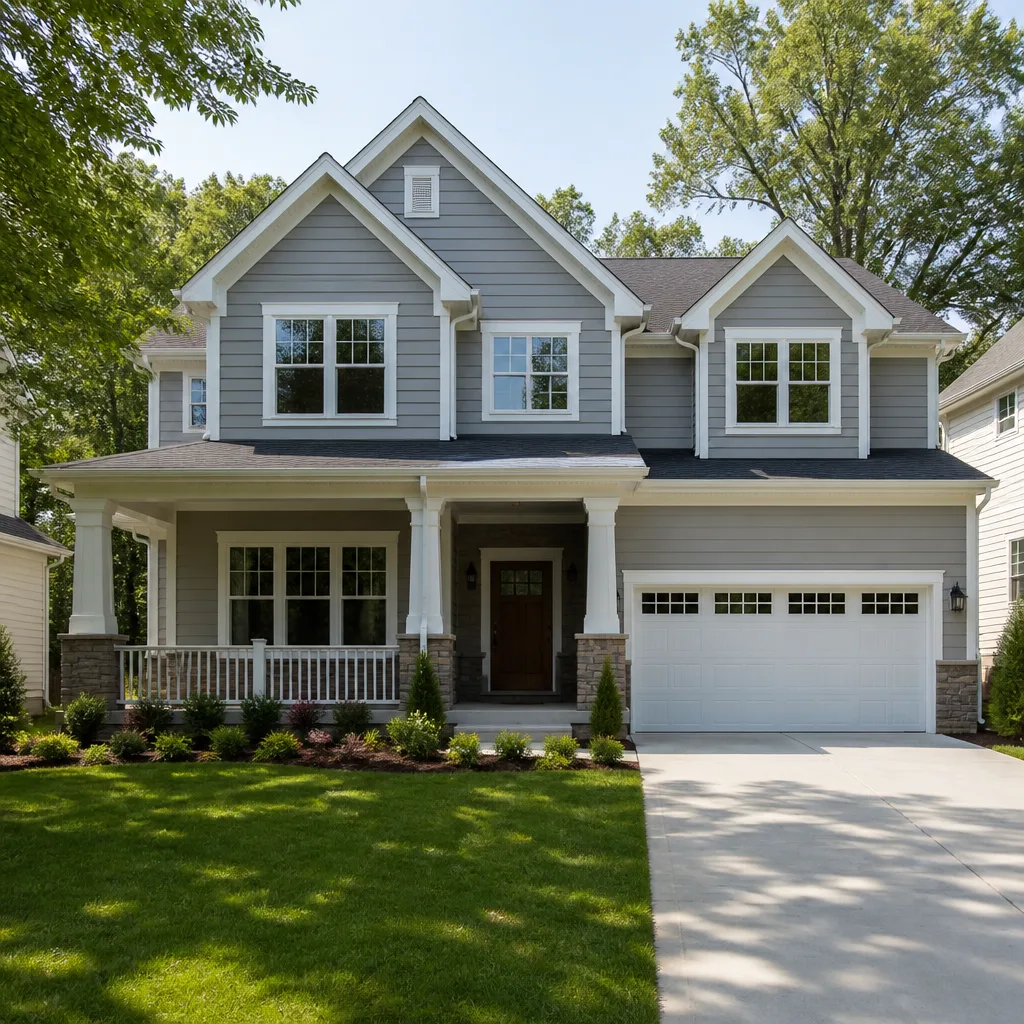
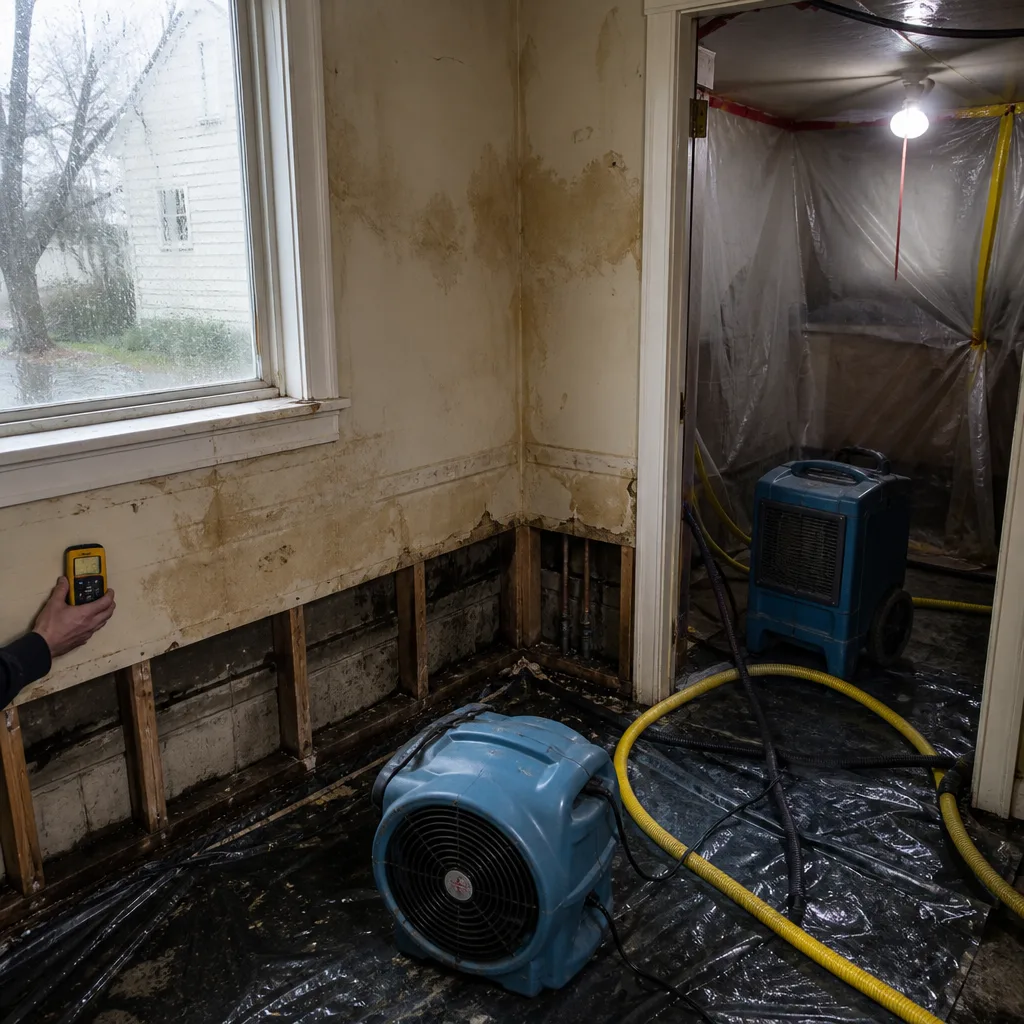 Before
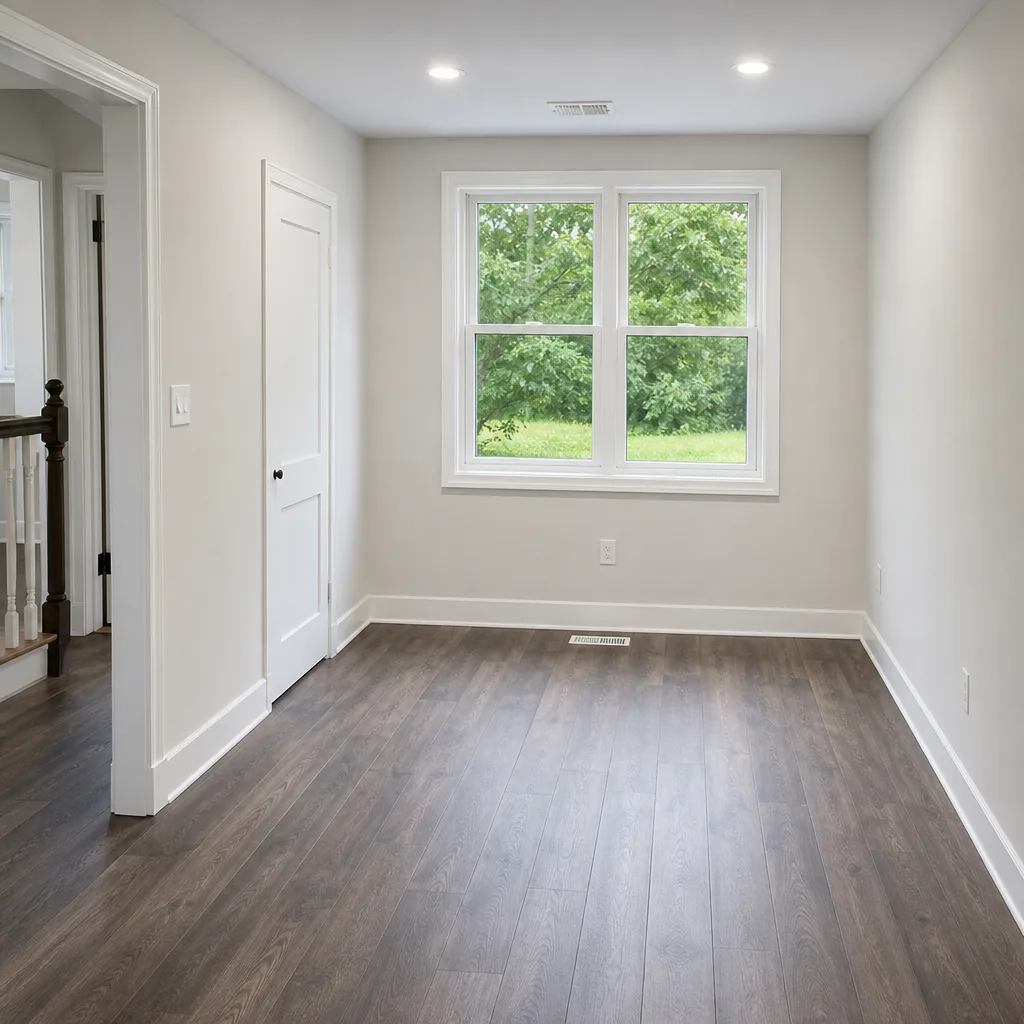 After
AfterDamage Restoration Permits, Codes & Inspections in NY: What You Need to Know
Most homeowners in New York don’t discover they needed a permit until an inspector, an insurance adjuster, or a future buyer points it out. That discovery usually happens months after the repair crew has packed up and gone. The state’s patchwork of local code enforcement means what passes in one county draws a stop-work order in the next. This guide walks through what actually requires a permit, which codes govern restoration work, how inspections play out, and where Long Island City homeowners most often get tripped up. We’ve spent 42 years in this trade watching good people eat avoidable fines because nobody told them the rules before the drywall went up.
Quick Answer
Most structural restoration work in New York, including repairs to load-bearing framing, electrical systems, plumbing, and fire-damaged assemblies, requires a permit from the local building department. The 2020 Residential Code of New York State (RCNYS), the 2020 Building Code of New York State (BCNYS), and local amendments like the NYC Building Code govern how that work must be performed. Minor cosmetic repairs, paint, and like-for-like fixture swaps generally don’t need a permit, but anything touching the building envelope, life-safety systems, or the structure itself almost always does. Floodline Restoration Co. home guides every Long Island City job through the permit process so it’s filed correctly the first time.
Table of Contents
- When a Damage Restoration Permit Is Required in NY
- The NY Codes That Govern Restoration Work
- Long Island City-Specific Requirements and Local Enforcement
- How the Permit Process Works, Step by Step
- Inspections: What Gets Checked and When
- Insurance, Permits, and Documentation
- Common Mistakes to Avoid
- When to Call a Professional
- Frequently Asked Questions
- The Bottom Line
When a Damage Restoration Permit Is Required in NY
New York State law draws a bright line between cosmetic work and work that affects the safety or structure of a building. Painting, patching small drywall holes, replacing cabinet hardware, and swapping out a lighting fixture without changing the wiring all sit on the cosmetic side. No permit needed. The moment work touches framing, load-bearing walls, the building envelope, electrical circuits, plumbing supply or drain lines, fire-rated assemblies, or egress, a permit enters the conversation.
Here’s what that looks like in practice after common disasters:
- Water damage: Removing and replacing drywall in a bathroom after a supply line burst doesn’t require a permit if the studs are sound and no plumbing is altered. If the framing is rotted, the subfloor is replaced, or plumbing is relocated, a permit is required. In Long Island City’s older housing stock, a “simple” drywall replacement often reveals compromised framing once walls are opened. That’s when the permit requirement triggers, regardless of what the original scope said.
- Fire damage: Any repair involving structural framing, electrical rewiring, or changes to fire-rated assemblies requires a permit. The NYC Department of Buildings treats fire-damaged buildings with extra scrutiny, and for good reason: heat weakens lumber and steel in ways that aren’t visible to the naked eye.
- Storm damage: Roof sheathing replacement, rafter repair, and exterior wall reconstruction all require permits. A tarp over a leaking roof is emergency mitigation and does not. The confusion comes when a homeowner replaces a few shingles without a permit and then discovers decking damage that changes the job from repair to structural repair.
- Sewage backup: The mitigation itself, extraction and disinfection, doesn’t require a permit. The rebuild that follows often does, especially if flooring, base cabinets, or bathroom fixtures come out and go back in.
The common thread is simple: if the repair changes how the building performs, not just how it looks, plan on a permit.
The NY Codes That Govern Restoration Work
New York doesn’t have one building code. It has several, layered on top of each other, with local amendments sprinkled in for good measure. A Long Island City restoration contractor works under the NYC Building Code, which adopts and modifies the New York State codes. Here’s the stack:
- 2020 Residential Code of New York State (RCNYS): governs one- and two-family dwellings. This covers most single-family homes in Queens, including the neighborhoods around Long Island City. It sets requirements for structural repair, insulation, ventilation, and smoke and CO detection.
- 2020 Building Code of New York State (BCNYS): governs commercial buildings and multifamily residential above two units. Much of Long Island City’s housing stock, especially the older walk-ups and converted industrial lofts, falls under this code.
- 2020 Plumbing Code of New York State: governs any repair, alteration, or replacement of water supply, drain, waste, and vent piping. This matters in restoration because sewage backups and frozen pipe bursts almost always involve plumbing work.
- 2020 Fire Code of New York State and NYC Fire Code: governs fire suppression systems, fire-rated assemblies, and egress. After a fire, this code drives the rebuild requirements.
- 2020 Energy Conservation Construction Code of New York State: applies when exterior walls or roof assemblies are opened. If you’re replacing insulation or sheathing, the energy code requires you to meet current R-value minimums, not just match what was there before.
In practice, a single restoration job in Long Island City can touch three or four of these codes at once. A kitchen fire that damages the ceiling, wiring, and a load-bearing wall triggers the building code, the residential code, the electrical code, and the energy code. This is why a restoration company that knows the codes is worth more than one that knows only demolition and drywall.
Long Island City-Specific Requirements and Local Enforcement
Long Island City sits in Queens County, which means restoration work here is governed by the New York City Department of Buildings (DOB), not a small-town building department. The DOB is the largest municipal building department in the country, and its processes are thorough, slow, and particular. Homeowners from smaller New York municipalities are often surprised by the level of documentation DOB requires.
We’ve handled enough Long Island City jobs to know the local patterns. Older brownstones and pre-war walk-ups in the Hunters Point and Dutch Kills sections carry original framing that predates modern codes. When a water damage job strips the plaster, what’s underneath is often undersized joists and balloon framing with no fire blocking. That’s not a repair problem, that’s a code compliance problem, and it has to be brought up to current standards as part of the restoration.
Long Island City also has a meaningful number of converted industrial buildings. A fire or flood in a former factory turned residential loft throws the renovation code into play. The DOB treats changes to these buildings with extra care because they were never originally designed for residential occupancy. Restoration work that touches the building envelope or structural systems in these conversions can require additional filings and inspections beyond what a standard single-family home would need.
The most common enforcement trigger in Long Island City is a neighbor call or a DOB inspector noticing construction waste at the curb. Un-permitted work in a residential building is a daily occurrence, but it doesn’t stay quiet for long. The fines run from hundreds to thousands of dollars, and the stop-work order that comes with them is almost always more expensive than the fine.
How the Permit Process Works, Step by Step
The permit process in New York City follows a consistent sequence, though the timeline varies depending on the scope. Here’s our step-by-step for a typical restoration permit in Long Island City:
- Scope assessment and site documentation. Before any paperwork starts, the contractor documents the damage. Photos, measurements, moisture readings, and a written scope of work. This scope determines the permit type and the code sections that apply.
- File with the DOB. The contractor or a registered design professional prepares the permit application. In New York City, many restoration permits require drawings stamped by a New York State licensed architect or professional engineer, especially when structural work or changes to the building envelope are involved.
- Pay fees and file the permit. DOB permit fees in New York City are based on the estimated cost of work. A $15,000 drywall and flooring restoration job will carry a different fee than a $200,000 structural rebuild. The filing also requires proof of insurance from the contractor.
- Wait for approval. Simple permits can be approved in days. Permits requiring plan review, which includes most structural and fire restoration work, can take two to six weeks. This is the part homeowners hate, and it’s the part that can’t be rushed.
- Post the permit and begin work. The permit must be displayed at the job site. Work can proceed once the permit is posted and any pre-construction inspections, like a pre-demolition asbestos survey if required, are complete.
- Schedule inspections as work progresses. Most restoration permits require at least two inspections: a rough-in inspection (framing, plumbing, electrical before walls are closed) and a final inspection after the work is complete. Some jobs require more.
- Close out the permit. After the final inspection passes, the permit is signed off. This sign-off matters for insurance claims, for future property sales, and for the Certificate of Occupancy.
Inspections: What Gets Checked and When
Inspections are where restoration jobs succeed or fail. The inspector’s job is to verify that the work in the field matches the approved permit documents and the applicable codes. The inspector is not there to be difficult, though it sometimes feels that way. The inspector is there to confirm the building is safe, and that’s a standard we share.
Here’s what a restoration inspection typically covers in Long Island City, depending on the trade:
- Framing and structural: the inspector checks lumber size, span, connection methods, and load paths. If the framing doesn’t match the approved drawings, the work gets a red tag and the contractor gets to do it again.
- Electrical: wiring gauge, circuit protection, grounding, and box fill. Restoration work that touches any wiring gets inspected by a DOB electrical inspector. This is true even when the electrical work is minor.
- Plumbing: pipe material, slope on drains, venting, and watertight connections. A sewage restoration job that re-pipes a basement bathroom will have the plumbing inspected before the slab is closed.
- Fire protection: fire-rated assemblies, draft-stopping, and smoke and CO detector placement. After a fire restoration, the inspector verifies that the repaired walls meet the required fire rating and that detectors are in the right locations.
- Energy code: insulation R-values, air sealing, and vapor barrier placement. This applies when exterior walls or roof assemblies are part of the restoration.
The timing matters. If a contractor closes a wall before the rough-in inspection happens, the inspector will require the wall to be opened back up. That’s a hard, expensive lesson that no Long Island City homeowner should have to learn on their own job.
Insurance, Permits, and Documentation
Insurance carriers in New York expect permitted work on covered claims. The standard homeowner’s policy requires the insured to comply with all laws and ordinances, and that includes building permits. When a restoration job is done without a required permit, the carrier has grounds to deny the claim or reduce the payout. The carrier’s position is straightforward: if the work was illegal, it’s not covered.
Permits also matter for the adjuster’s documentation. A permit establishes the official scope of work, which the adjuster uses to validate the claim. The inspection sign-offs establish that the work was completed to code, which protects the homeowner if a future issue arises. Carriers and their adjusters appreciate a paper trail that matches the claim. It makes their file cleaner and the homeowner’s life easier.
We photograph everything. Moisture readings before extraction, damage documentation before demolition, work-in-progress photos at each inspection stage, and final condition photos after the job. That photo log goes to the homeowner and the carrier. In a Long Island City insurance claim, documentation is the difference between a paid claim and an endless back-and-forth.
Common Mistakes to Avoid
- Assuming cosmetic work never needs a permit. Cosmetic work doesn’t, but the line moves when damage is involved. A water-stained ceiling that looks like a paint job often hides compromised drywall, which changes the scope. If the repair touches the structure, the permit clock starts.
- Skirting the permit to save time. A stop-work order on a Long Island City restoration job adds weeks, not days, to the timeline. The DOB doesn’t negotiate over the phone. The fine, the delay, and the re-filing costs are always more than the permit fee would have been.
- Hiring a contractor who doesn’t pull permits. Any contractor who suggests skipping a required permit is putting the homeowner’s money and property at risk. The homeowner owns the liability, not the contractor. If the work fails, the unpermitted status makes the contractor impossible to hold accountable.
- Closing walls before the rough-in inspection. This is the single most expensive mistake in restoration. The inspector will require the wall to be opened. The homeowner pays for the demo, the rework, and the second inspection. We’ve seen it happen in Long Island City more than once.
- Not coordinating the permit with the insurance claim. The permit, the claim, and the adjuster’s report should tell the same story. When they don’t, the claim stalls. Carriers want to see that the repair scope matches what was filed and inspected.
- Treating all restoration contractors as equally code-literate. A general handyman who repairs a rotted window frame may know nothing about the energy code or the current structural requirements. A restoration company that works in Long Island City every week knows what the DOB will flag before the inspector arrives.
- Ignoring local legacy issues. Older Long Island City buildings carry legacy conditions: knob-and-tube wiring, lead paint, pre-code plumbing. When restoration opens a wall, those conditions become the homeowner’s responsibility to address. A smarter contractor anticipates this and builds it into the scope before the permit is filed.
When to Call a Professional
If your restoration touches framing, electrical, plumbing, load-bearing elements, or fire-rated assemblies, you need a licensed contractor who knows the code path. If your damage involves multiple trades, the permits multiply and the coordination gets complicated. If you’re dealing with a Long Island City DOB filing for a converted building or a pre-war structure, the complexity compounds again. The moment you suspect structural damage, water intrusion behind walls, or electrical compromise, stop guessing and make the call. Floodline Restoration Co. offers free estimates in Long Island City, and we handle the permit process from filing to final sign-off. Call (716) 452-0798 and we’ll walk the site, scope the work, and tell you exactly what needs a permit and what doesn’t.
Frequently Asked Questions
Water damage restoration requires a permit only when the repair work touches structural framing, plumbing, electrical systems, or the building envelope. Simple drywall replacement and paint over sound framing does not require a permit, but any repair that changes load-bearing elements, relocates plumbing, or rewires circuits does.
DOB permit fees in Long Island City are calculated from the estimated cost of work, typically running between 1% and 3% of project value, plus filing fees and any required plan review. A small drywall restoration permit might cost a few hundred dollars, while a structural rebuild permit can run several thousand. Exact costs depend on scope, and a free estimate from a restoration contractor will include the permit fees in writing.
In New York City, unpermitted work triggers a stop-work order, a fine, and a requirement to file a permit retroactively, which often includes opening walls for inspection. The fines run from $500 to over $10,000 for serious violations, and the delay while the permit is sorted out is usually more expensive than the fine itself.
Most New York homeowner’s policies cover permit fees as part of the reasonable and necessary cost of repairs, because the carrier requires the work to be legal. The adjuster typically includes permit costs in the claim when the scope of work lists them, which is why the permit and the claim need to match.
Simple restoration permits in Long Island City can move from filing to final sign-off in two to four weeks. Structural restoration, fire damage, or work in converted buildings can take six to twelve weeks, depending on plan review times and inspection scheduling. The timeline is set by the DOB’s volume, not the contractor’s schedule.
Permits are tied to the building, not the occupant. A renter who experiences damage should notify the property owner, who is responsible for the permit and the repairs. A restoration company can work directly with the property owner and the insurance carrier to handle the filing, without the renter being in the middle.
The Bottom Line
New York’s permit requirements for restoration work are not suggestions, and Long Island City’s DOB enforcement makes that clear in practice. The rule of thumb is simple: cosmetic work stays permit-free, structural and systems work does not. Insurance carriers expect permits, adjusters rely on the paper trail, and future home sales require the sign-off. Skipping the permit saves nothing in the end. Filing it correctly, scheduling the inspections, and documenting the work protects the homeowner and the building. That’s how we handle every job we touch in Long Island City, and it’s why we’ve been able to stand behind our work in writing for 42 years.
Written by Curt Bowman, Owner at Floodline Restoration Co., serving Long Island City since 2010.